Understanding the Role of Street Art in Urban Identity
Street art has transformed urban landscapes across the United States, serving as a vibrant expression of cultural identity and community engagement. This article delves into how street art contributes to urban identity, providing insights on its significance in travel experiences.
Understanding the Basics of Street Art
Street art encompasses a variety of visual art forms created in public spaces. This form of expression often includes murals, graffiti, and installations, and it functions as a platform for social commentary. According to research, street art can enhance community pride and foster social connections among residents. Experts suggest that the visibility of street art can stimulate local economies by attracting tourists and influencing their travel decisions.
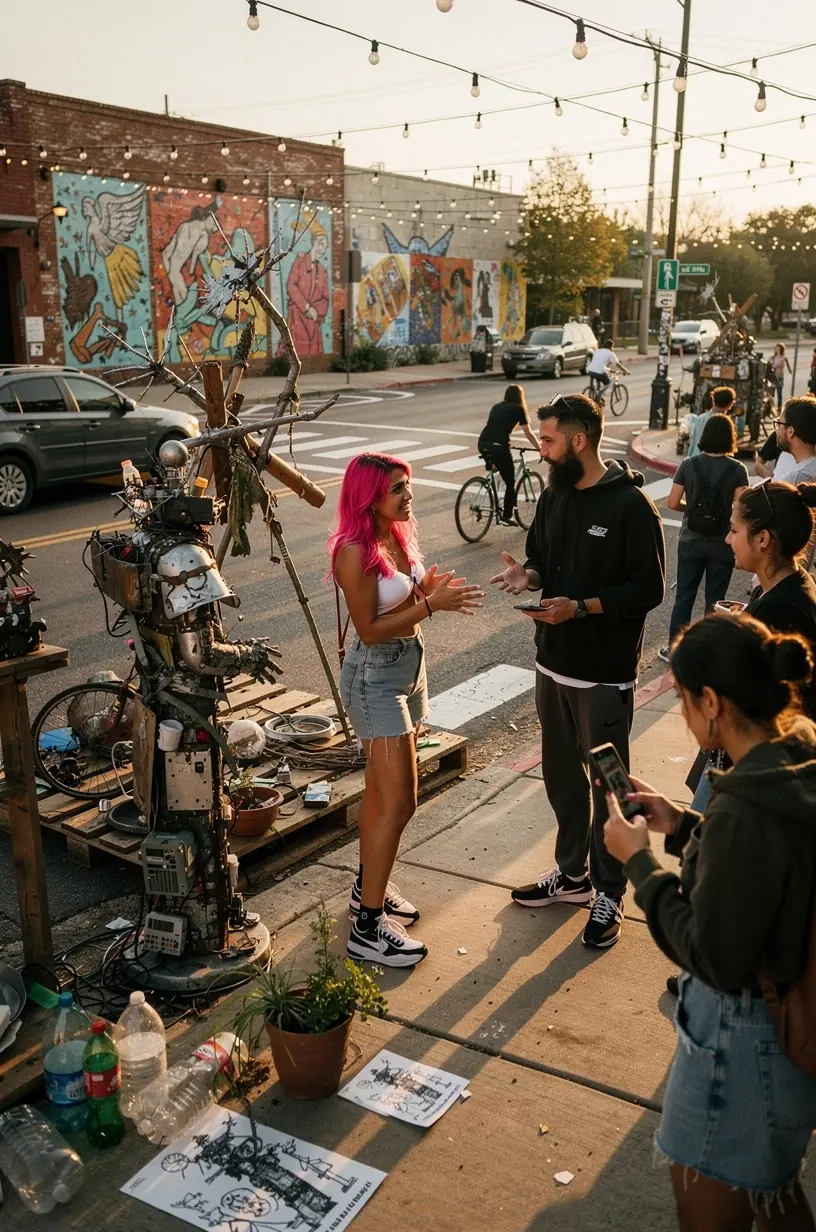
"Street art is not just decoration; it’s a reflection of community values and struggles, often telling stories that resonate deeply with local identities."
The Impact of Street Art on Urban Identity
Street art plays a crucial role in shaping the identity of urban areas. This influence can be attributed to several factors:
- Community Representation: Street art often reflects the local culture, history, and social issues. Studies show that communities with vibrant street art scenes often see increased civic engagement.
- Tourism and Economic Development: Cities like San Francisco and New York have capitalized on their street art scenes, regularly featuring them in travel guides. Industry experts indicate that such attractions can lead to a significant boost in local businesses.
- Art as Dialogue: Street art invites conversation and encourages critical thinking about societal issues. Many artists use their work to address topics like inequality and environmental concerns, prompting viewers to reflect on these subjects.
Practical Considerations for Travelers
If you're planning to explore urban areas with a rich street art culture, consider the following tips to enhance your experience:
- Research Local Artists: Familiarize yourself with prominent local artists and their styles. This can enhance your appreciation of the artwork you encounter.
- Join Walking Tours: Many cities offer guided tours focused on street art, providing deeper context and stories behind the pieces. Such tours typically last 2-3 hours and involve walking through various neighborhoods.
- Engage with Community Events: Look for local festivals or events celebrating street art, where you can meet artists and experience live painting sessions. Engaging with these communities offers a more immersive experience.
Conclusion
Street art is a dynamic element of urban identity, reflecting the culture, values, and voices of local communities. As a traveler, understanding the role of street art can enrich your urban exploration, offering insight into the complexities and narratives that shape cities. By appreciating and engaging with street art, you not only enhance your travel experience but also contribute to a greater recognition of its significance in the urban fabric.
Learn More