How to Plan a Responsible Urban Travel Experience
As urban exploration continues to rise in popularity, planning a responsible travel experience becomes crucial. In this article, we will delve into effective strategies for sustainable urban travel, ensuring that your adventures are both enjoyable and respectful of the local environment and culture.
Understanding Sustainable Urban Travel
Sustainable urban travel is about more than just reducing your carbon footprint. It involves engaging responsibly with the communities you visit and making choices that support local economies while preserving cultural heritage. According to research by the International Ecotourism Society, responsible travel practices can significantly benefit both travelers and host communities.
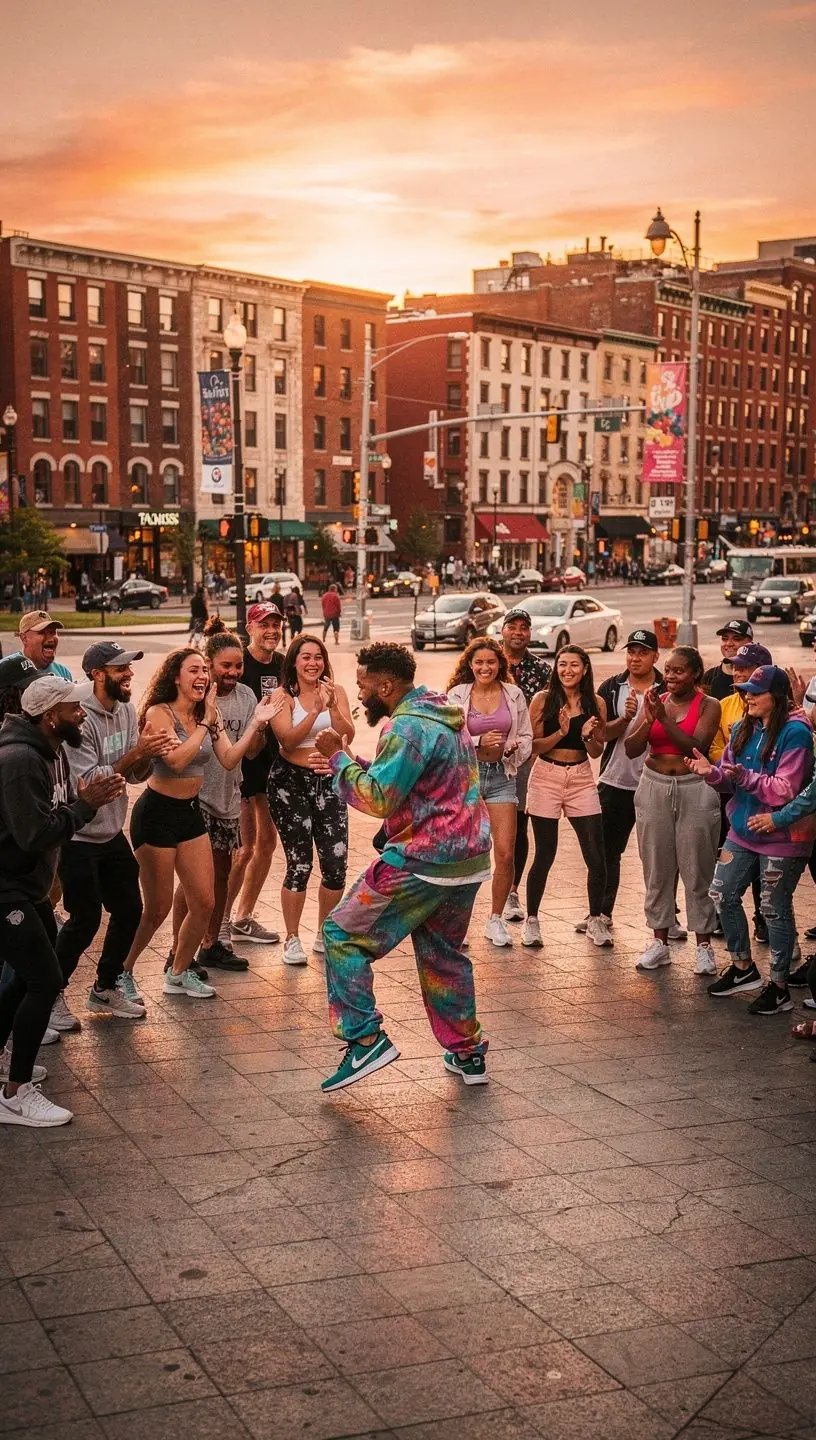
"Travelers have the power to influence the communities they visit positively, but only when they choose to travel responsibly."
Key Principles of Responsible Urban Travel
Experts recommend considering the following principles when planning your next urban adventure:
- Prioritize Local Experiences: Seek out local guides, markets, and eateries to support the local economy. This not only enriches your experience but also ensures that your spending benefits the host community.
- Be Mindful of Your Impact: Urban areas can be fragile ecosystems. Engage in practices that minimize environmental degradation, such as using public transportation or walking instead of driving. Studies show that public transport can reduce an individual's carbon footprint significantly.
- Respect Local Cultures: Educate yourself about local customs and traditions before you arrive. This helps in avoiding unintentional disrespect and fosters better relationships with community members.
Practical Steps for Planning
Here’s a step-by-step guide to planning your responsible urban travel experience:
- Research Your Destination: Look into local sustainability initiatives and community-driven projects. Many cities have programs aimed at promoting responsible tourism.
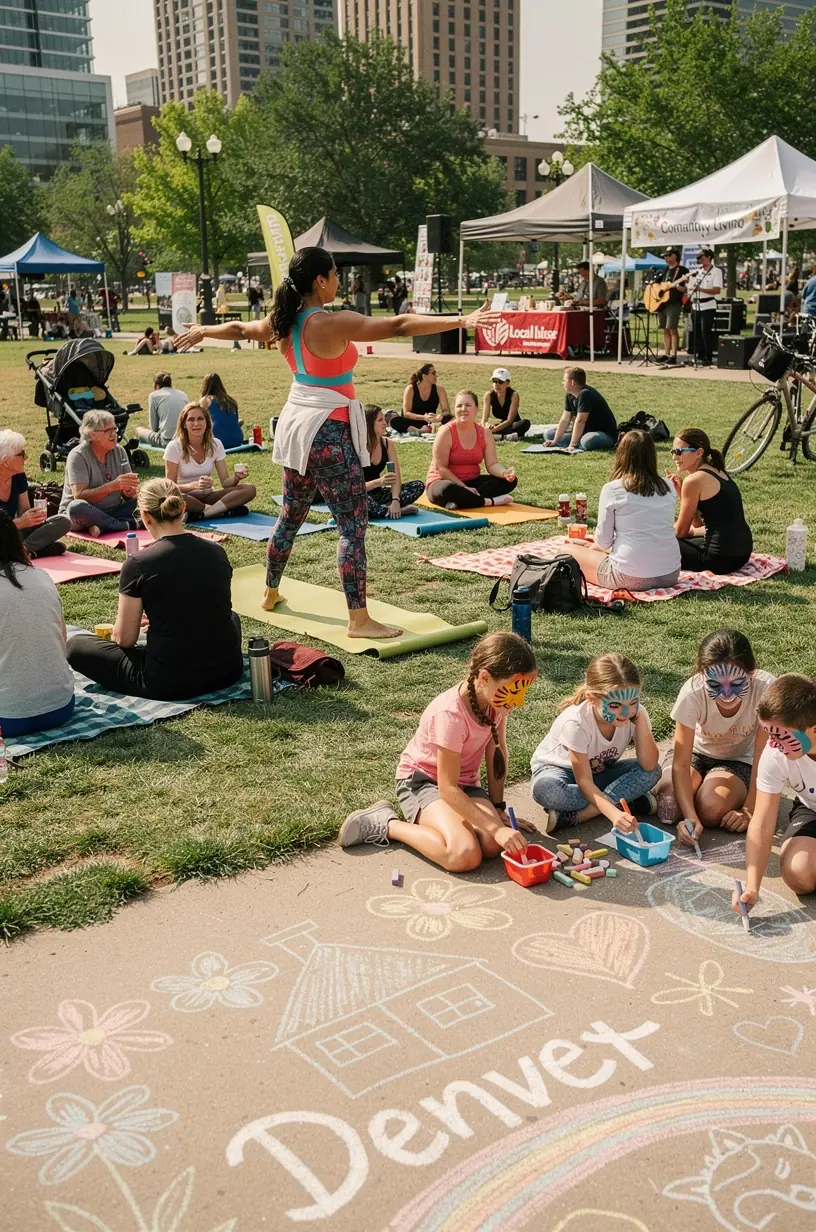
- Create an Itinerary with Intent: Focus on experiences that allow you to interact with locals. Allocate time to volunteer or participate in community events, if possible.
- Choose Accommodations Wisely: Opt for hotels or lodgings that practice sustainability, such as those certified by organizations like Green Key or EarthCheck. Research indicates that eco-friendly accommodations often offer a more authentic experience.
Conclusion
Planning a responsible urban travel experience requires dedication and awareness. By prioritizing local engagement, being mindful of your environmental impact, and respecting cultural norms, you can ensure that your travels contribute positively to both your experience and the communities you visit. Remember, sustainable travel is not just about seeing the sights; it’s about creating meaningful connections and leaving a lasting, positive impact.
Learn More